

Blog
How to Choose the Right Kids Bike in Kenya

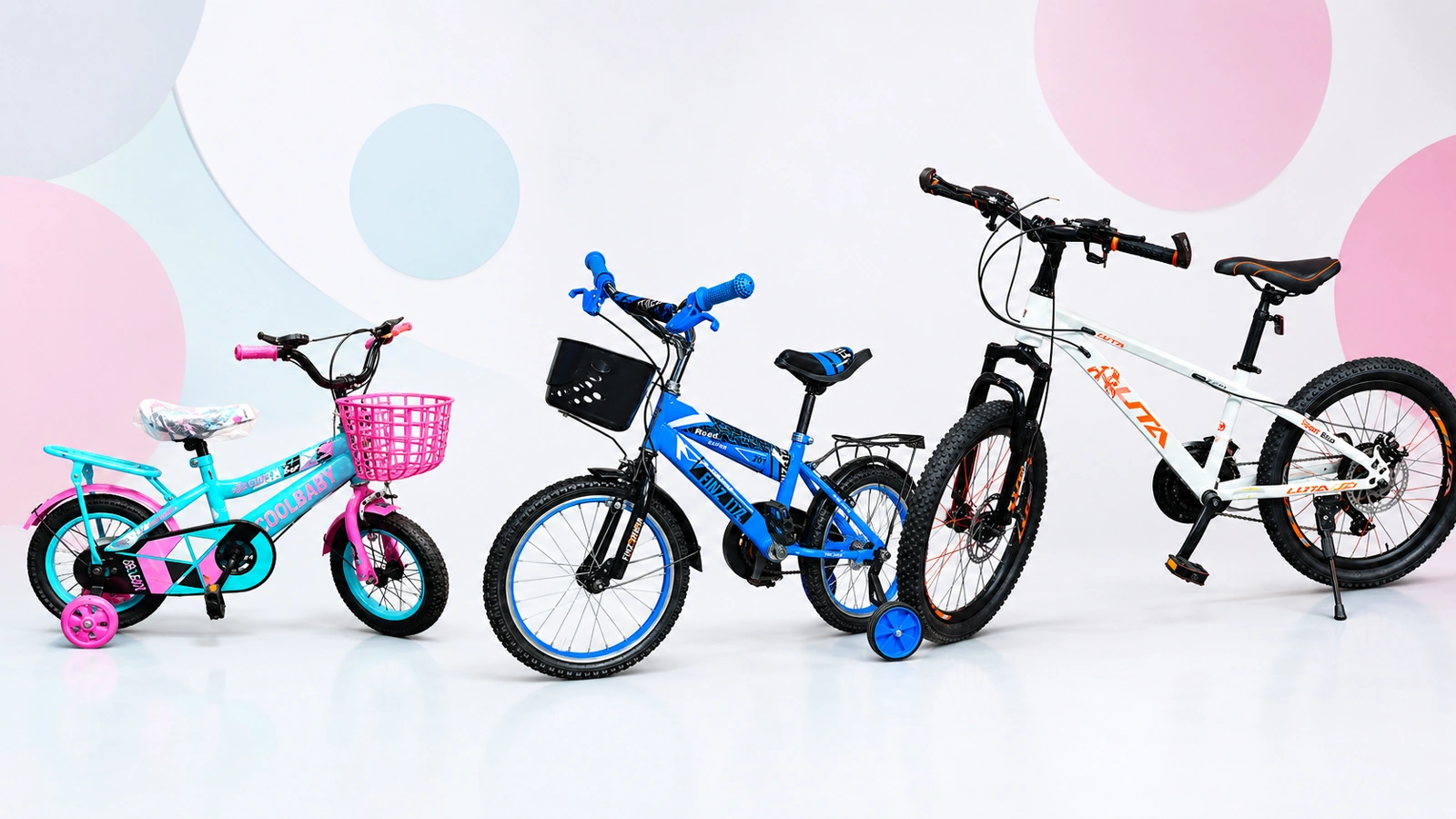
Choosing the right kids bike involves more than selecting an attractive colour or design. The bicycle should fit the child’s current height, leg reach, cycling ability and intended riding environment.
A properly fitted bike is easier to control and can help a child develop balance, coordination and confidence. Before ordering, parents should compare wheel size, frame height, braking system, training wheels and the manufacturer’s guidance for the individual bicycle.
Totoland Toys offers a selection of kids bikes in Kenya, including different wheel sizes for developing riders.
Why the Correct Bike Size Matters
A bicycle that is too large may be difficult for a child to mount, stop or control. A bike that is too small can feel cramped and may not provide enough room for comfortable pedalling.
The child should be able to:
- Reach the handlebars without stretching excessively.
- Operate the brakes comfortably.
- Sit securely on the saddle.
- Place their feet on the pedals correctly.
- Touch the ground sufficiently when stopping.
- Mount and dismount without unnecessary difficulty.
Age recommendations can provide a useful starting point, but children of the same age can differ considerably in height and ability. Rider measurements and the manufacturer’s guidance should therefore take priority over age alone.
Understanding Kids Bike Wheel Sizes
Children’s bicycles are commonly described by wheel diameter rather than adult frame measurements. Totoland’s current range includes 12-inch, 16-inch and 20-inch options.
12-Inch Kids Bikes
A 12-inch bicycle is commonly considered for younger or smaller riders beginning to learn pedalling, steering and braking.
These bicycles may include training wheels to provide additional stability while a child develops confidence. Before choosing one, confirm that the child can comfortably reach the pedals and handlebars.
Training wheels should be correctly adjusted and checked regularly because loose or uneven supports can affect stability.
16-Inch Kids Bikes
A 16-inch bicycle may suit a growing child who has become more confident with steering and pedalling but still requires a manageable frame.
Some 16-inch models include training wheels that can later be removed as balance improves. Features may include a front basket, chain guard, mudguards or rear carrier, depending on the particular model.
Confirm the actual bicycle specifications before ordering because accessories and colours can vary.
20-Inch Kids Bikes
A 20-inch bicycle may be suitable for taller or more experienced children who require additional riding space and larger wheels.
At this size, parents may encounter both single-speed and multi-speed bicycles. For example, Totoland currently carries a 20-inch LUTA single-speed kids bike with an aluminium alloy frame.
A 20-inch bike should not be selected only because the child may eventually grow into it. The rider should be able to control it safely at their present height and ability.
How to Measure a Child Before Buying a Bike
Measure the child while they are wearing the shoes they normally use for cycling.
The most useful measurements are:
- The child’s overall height.
- Their inside-leg or inseam measurement.
- The clearance between the child and the bicycle frame.
- Their ability to reach the handlebars and brake levers.
- Their comfort when placing their feet on the ground.
If possible, allow the child to sit on or test the bicycle before purchase. When ordering remotely, share the measurements with Totoland for product guidance, but always confirm the manufacturer’s recommendations before use.
Avoid raising the saddle simply to make an oversized bicycle appear suitable. A child should remain in a stable and controllable riding position.
Training Wheels or Independent Riding?
Training wheels can help some children become comfortable with pedalling and steering before they have fully developed independent balance.
They may be helpful when a child:
- Is new to pedal bicycles.
- Needs additional stability.
- Is moving from a ride-on toy or tricycle.
- Is not yet confident starting and stopping independently.
However, training wheels do not replace supervision. They should be securely fitted, regularly inspected and used on an appropriate surface.
When the child develops sufficient control and balance, the training wheels can gradually be adjusted or removed according to the bicycle instructions.
Single-Speed or Multi-Speed Bike?
A single-speed bicycle has a straightforward drivetrain and may be easier for a developing rider to understand and maintain. It can be suitable for casual riding on relatively level surfaces.
A multi-speed bicycle provides gears that can help a rider manage different surfaces or inclines. However, gears add controls that the child must learn to operate correctly.
Consider:
- The child’s cycling experience.
- Whether they understand gear changes.
- The surfaces where the bike will be used.
- The amount of adult guidance available.
- Maintenance requirements.
A simple, well-fitted bicycle is often more useful than a complicated model that the child cannot confidently operate.
Kids Bike Safety Checklist
Before every ride, an adult should inspect the bicycle and confirm that it is suitable for use.
Check the following:
- Brakes respond correctly.
- Tyres are properly inflated and undamaged.
- Wheels and training wheels are securely attached.
- The chain and chain guard are correctly positioned.
- Handlebars and saddle do not move unexpectedly.
- Pedals rotate properly.
- Bolts and fasteners are secure.
- Reflectors and other visibility features are correctly installed.
- No packaging or protective material remains attached.
A correctly fitting bicycle helmet and other suitable protective equipment are recommended. Children should ride under appropriate adult supervision in a safe environment away from traffic and other hazards.
Consider Where the Bike Will Be Used
The intended riding location can influence the most suitable bicycle.
For paved compounds and smooth recreational areas, a straightforward kids bike may be sufficient. Rougher outdoor areas may require tyres and a frame suited to uneven surfaces.
Parents should consider:
- Surface condition.
- Available riding space.
- Vehicle traffic.
- Pedestrians and other children.
- Slopes or obstacles.
- Storage space.
- Exposure to rain or moisture.
A bicycle should be stored in a dry, secure place. Regular cleaning and maintenance can help protect its brakes, chain, tyres and other moving parts.
What to Confirm Before Ordering
Product specifications and available colours may vary, so review the individual product page and confirm important details before payment.
Check:
- Wheel size.
- Frame material.
- Recommended rider guidance.
- Training-wheel availability.
- Braking system.
- Included basket, carrier or mudguards.
- Assembly requirements.
- Product dimensions.
- Current stock and colour.
- Delivery or collection arrangements.
Never assume that an accessory shown on a similar model is included with every bicycle.
Buying Kids Bikes from Totoland Toys
You can browse the current Kids Bikes collection and compare available 12-inch, 16-inch and 20-inch bicycles.
Parents can also explore other Outdoor and Active Play toys or compare bikes with Scooters and Skates.
Because bicycles are bulky products, delivery cost and transport arrangements may depend on the bike size and destination. Contact Totoland Toys to confirm current stock, colour, assembly status and delivery arrangements before dispatch.
Frequently Asked Questions
What wheel size should I choose for a kids bike?
Start with the child’s height, inside-leg measurement and ability. Wheel sizes such as 12, 16 and 20 inches are useful reference points, but the individual bicycle’s dimensions and manufacturer guidance should determine the final choice.
Is age enough to select a children’s bicycle?
No. Age can provide an initial guide, but children of the same age can have different heights, leg lengths and cycling abilities. Confirm the child’s measurements and ability before ordering.
When are training wheels suitable?
Training wheels may assist a developing rider who is learning to pedal and steer but has not yet developed independent balance. They must be correctly installed and should not replace adult supervision.
Should a child be able to touch the ground?
The child should be able to stop and support themselves safely without excessive stretching. The precise riding position depends on the bicycle design, so verify fit and manufacturer guidance.
Does Totoland deliver kids bikes across Kenya?
Delivery arrangements are available within Nairobi and to suitable destinations across Kenya. Bicycle delivery costs and timing depend on product size and destination, so confirm the transport details before ordering.
Find a Suitable Kids Bike
Explore kids bikes available at Totoland Toys or contact the team for assistance comparing wheel sizes, features, stock and delivery options.