

Blog
Kids Scooters, Skates and Protective Gear Guide for Parents

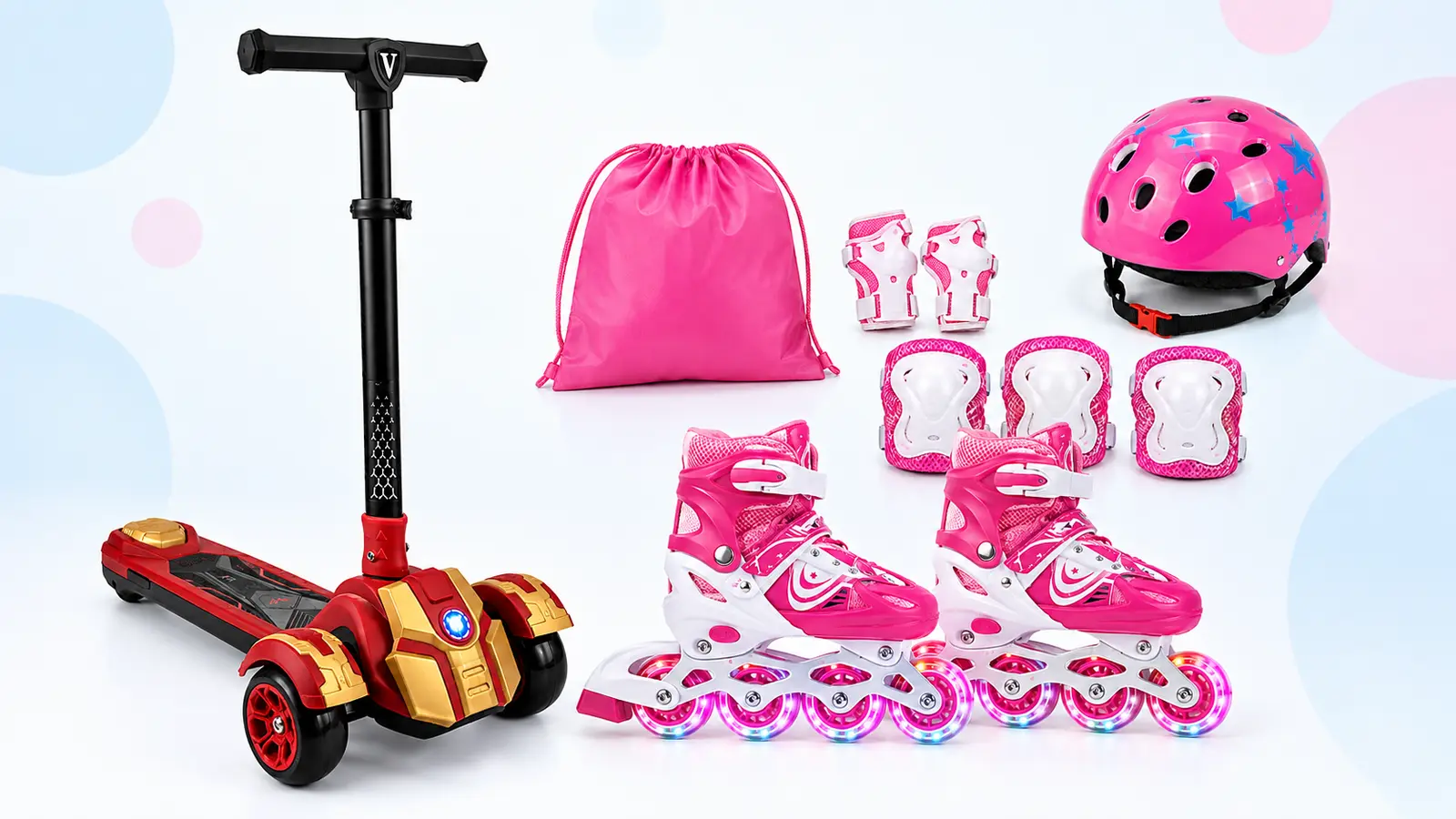
Scooters and skates can encourage outdoor play, coordination and confidence while giving children enjoyable ways to stay active. Choosing suitable equipment is only the first step. Parents and caregivers should also check the fit, select appropriate protective gear, prepare a safer riding area and help the child build control gradually.
This guide explains practical points to consider when choosing kids scooters, skating shoes and protective gear. Individual products differ, so always read the manufacturer’s age guidance, instructions, warnings and weight limits shown on the product or packaging.
Start with the Child’s Ability, Not Age Alone
Age labels are useful starting points, but children of the same age may have different levels of balance, strength and confidence. Consider whether the child can stand steadily, steer in the intended direction, understand simple instructions and use a brake when required.
A beginner may benefit from a stable scooter design or beginner-friendly skates together with close adult supervision. A more experienced rider may be ready for a different wheel arrangement or additional features, but should still use equipment that fits correctly and can be controlled comfortably.
Choose a Scooter That Supports Developing Balance
Three-wheel scooters are popular for younger or developing riders because the additional wheel can provide a broader base. Some children may find this format easier while learning to steer and balance. Two-wheel scooters generally require more independent balance and should be introduced when the rider has suitable control.
Seated or convertible scooters can offer another way to begin. The seat and parent handle on some models may assist during early use, while convertible designs can provide more than one riding mode. Confirm exactly which parts are included and how each mode should be assembled before use.
Choose Skating Shoes That Fit Securely
Skating shoes should feel secure around the foot and ankle without causing painful pressure. Check the manufacturer’s size information rather than relying only on the child’s usual shoe size. If the model is adjustable, confirm that both skates are set to the same appropriate size and that every adjustment locks correctly.
Inspect straps, buckles, laces and closures before use. The child should be able to stand with supported ankles and without the heel lifting excessively inside the skate. Skates that are too loose can reduce control, while equipment that is too tight may cause discomfort and distract the learner.
Check Handlebar Height and Riding Position
The rider should be able to hold the handlebars without stretching or hunching. Their arms should remain comfortably bent, and they should be able to look forward while keeping control of the scooter. If the handlebar is adjustable, secure it at an appropriate height and confirm that every locking mechanism is fully engaged.
Ask the child to stand naturally on the deck before riding. The deck should provide enough usable space for a stable stance without forcing the feet into an uncomfortable position. Shoes should fit securely and have suitable grip.
Inspect the Wheels, Steering and Brake
Before the first ride, check that the wheels rotate properly, the steering moves as intended and all visible fasteners are secure. If the scooter includes a rear foot brake or another braking system, explain how it works and allow the child to practise stopping at a slow speed.
Light-up wheels, mist-spray features and themed designs can make a scooter more appealing, but they should not replace the basic checks that make the product suitable for the rider. Functional controls, stable assembly and an appropriate fit remain the priorities.
Match Protective Gear to the Activity
A correctly fitted helmet is an important part of scooter and skating preparation. Depending on the child’s ability, riding environment and product guidance, knee pads, elbow pads and wrist guards may also be appropriate. Wrist protection is particularly relevant when learning to skate because riders may instinctively use their hands during a fall.
Protective equipment should fit securely without restricting movement or visibility. Replace damaged items and do not use a helmet that no longer fits properly. Parents can browse Totoland’s skating shoes and protective gear while checking the requirements for the selected activity.
Select a Safer Place to Practise
Early scooter or skating practice should take place on a flat, dry and open surface away from traffic, stairs, steep slopes, swimming pools and crowded walkways. Remove loose stones, toys and other obstacles before riding. Wet, sandy or uneven surfaces can reduce grip and make steering, rolling or braking more difficult.
Adult supervision should match the child’s age, ability and surroundings. Teach the rider to slow down near other people, keep both hands available for steering and stop before crossing driveways or entrances.
Complete a Quick Check Before Every Ride
- Confirm the handlebar, folding joint and adjustable parts are locked.
- Check that wheels and visible fasteners are secure.
- Test the steering and brake at a low speed.
- For skates, inspect straps, buckles, laces and wheel alignment.
- Inspect the deck and grips for damage or excessive wear.
- Ensure the rider is wearing closed, secure footwear.
- Fit the helmet and any other selected protective equipment.
- Check that the riding surface is dry, clear and away from traffic.
Stop using the scooter or skates if a part is loose, cracked, bent or not operating correctly. Arrange an appropriate inspection or repair before the next session rather than allowing the child to continue using damaged equipment.
Take Extra Care with Foldable and Adjustable Models
Foldable scooters can be convenient for transport and storage, but every folding mechanism must be fully locked before riding. Keep fingers away from hinges during folding and unfolding, and supervise children when the mechanism is being operated.
Adjustable handlebars should remain within the manufacturer’s permitted range. Do not extend a handlebar beyond its marked limit or improvise modifications. Recheck the adjustment periodically because normal use and transport can affect fittings.
Help the Child Build Confidence Gradually
Begin with short practice sessions at a comfortable pace. Scooter riders can practise placing one foot on the deck, pushing gently with the other foot, steering smoothly and stopping safely. New skaters can first practise standing, bending their knees, taking controlled steps and stopping with support. Practising one skill at a time can be more effective than encouraging speed too early.
Positive guidance helps children develop confidence, but adults should set clear boundaries about where and when the scooter may be used. As skills improve, continue reinforcing awareness of people, obstacles and changing surfaces.
Browse Kids Scooters, Skates and Protective Gear
Totoland Toys offers a changing selection of three-wheel, adjustable, foldable, seated and light-up scooters, together with skateboards and related active-play products. Browse the current kids scooters and skates in Kenya, then compare suitable skating shoes and protective gear. Review the individual product information and confirm availability before ordering.
Families considering other outdoor options can also explore kids bikes or visit the Totoland toy shop. For help choosing a suitable product, contact Totoland Toys and provide the child’s age, approximate height, riding experience and intended place of use.
Safety note: Product features and suitability vary. Follow the manufacturer’s instructions and warnings, use appropriate supervision and protective equipment, and check all equipment before every session.